UAE Public Transport Guide for Tourists
UAE Public Transport Guide for Tourists
The United Arab Emirates (UAE) has modern and reliable public transport services, especially in Dubai and Abu Dhabi. Tourists can use metros, buses, trams, taxis, and marine transport to reach airports, shopping centres, beaches, and major attractions.
Transport coverage varies between emirates. Dubai has the country's most extensive network, while taxis may be more practical in areas with limited bus services.
Why Use Public Transport in the UAE
Public transport is a convenient and affordable alternative to renting a car. Most services are air-conditioned, clean, and easy to use.
Main benefits include:
- Affordable fares
- Safe and well-maintained vehicles
- Easy access to major attractions
- Connections to airports and shopping centres
- Useful journey-planning apps
Dubai Metro
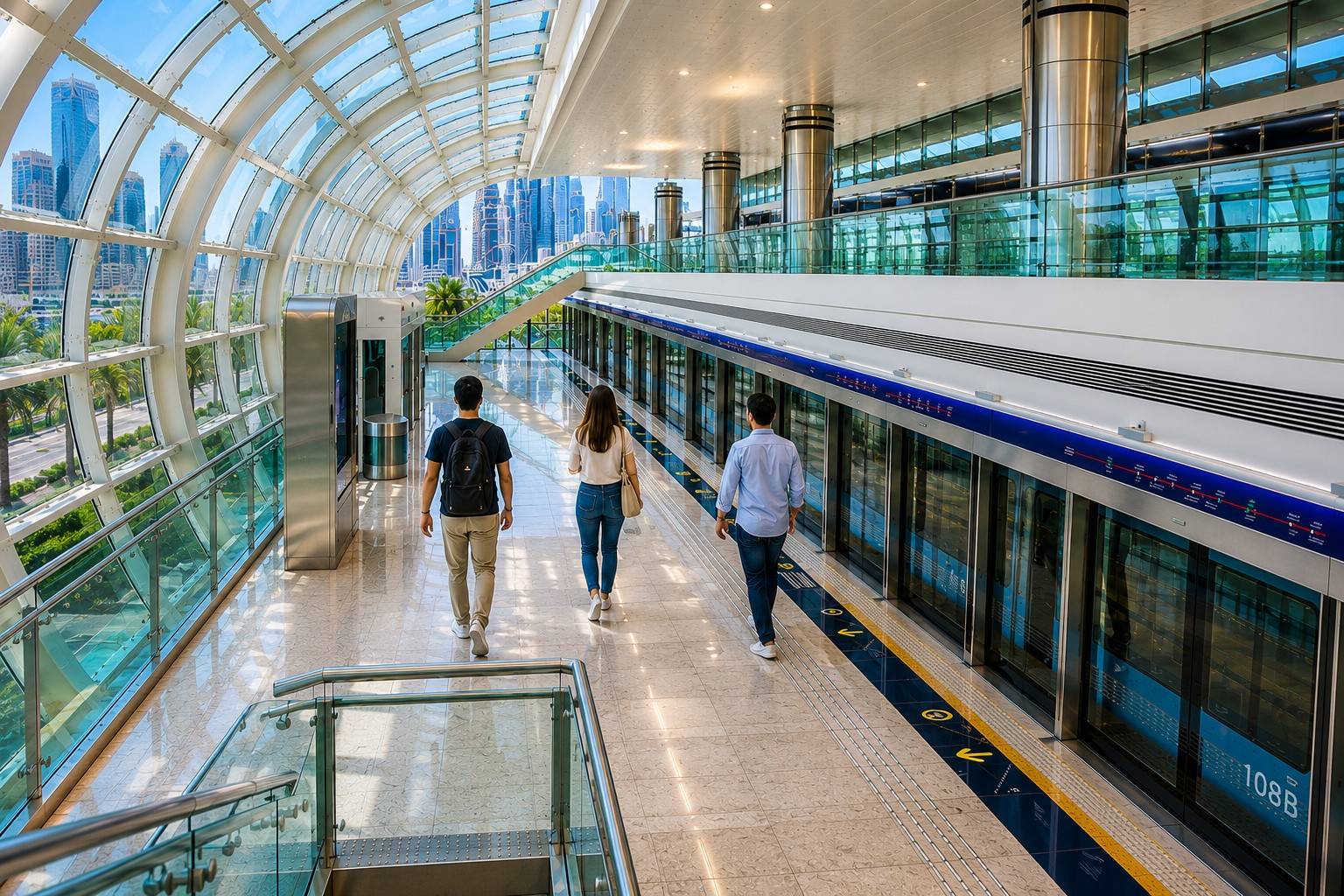
The Dubai Metro is one of the fastest ways to travel around the city. It connects many popular areas and attractions, including:
- Dubai International Airport Terminals 1 and 3
- Burj Khalifa/Dubai Mall
- Mall of the Emirates
- Business Bay
- Dubai Marina
- Deira
- Bur Dubai
Terminal 2 is not directly connected to the Metro, so travellers arriving there will need a bus, taxi, or another connection.
The Metro has General, Gold Class, and women's and children's cabins. Trains can become crowded during rush hours, so travelling outside peak times may be more comfortable.
Dubai Buses and Tram
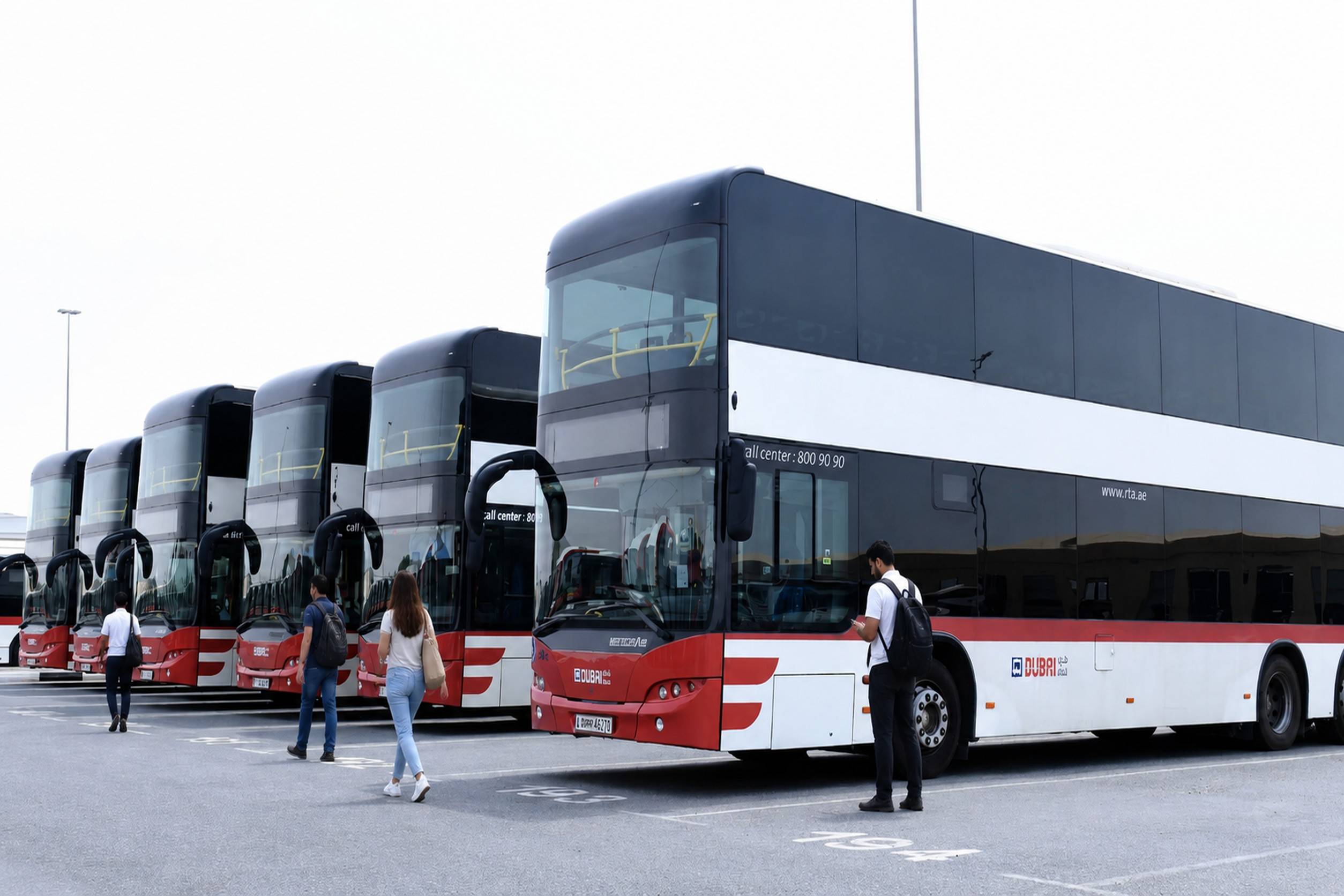
Dubai's public buses connect areas that are not directly served by the Metro. They operate across residential districts, hotels, beaches, shopping centres, and tourist areas.
Passengers need a nol Card and must tap it when boarding and leaving the bus.
The Dubai Tram serves areas such as the following:
- Dubai Marina
- Jumeirah Beach Residence (JBR)
- Dubai Media City
- Dubai Internet City
- Palm Jumeirah Tram Station
The Tram does not travel around Palm Jumeirah itself. Passengers can connect to the nearby Palm Monorail for onward travel.
The tram connects with the Metro, allowing visitors to move between different parts of the city without needing a taxi.
Water Transport
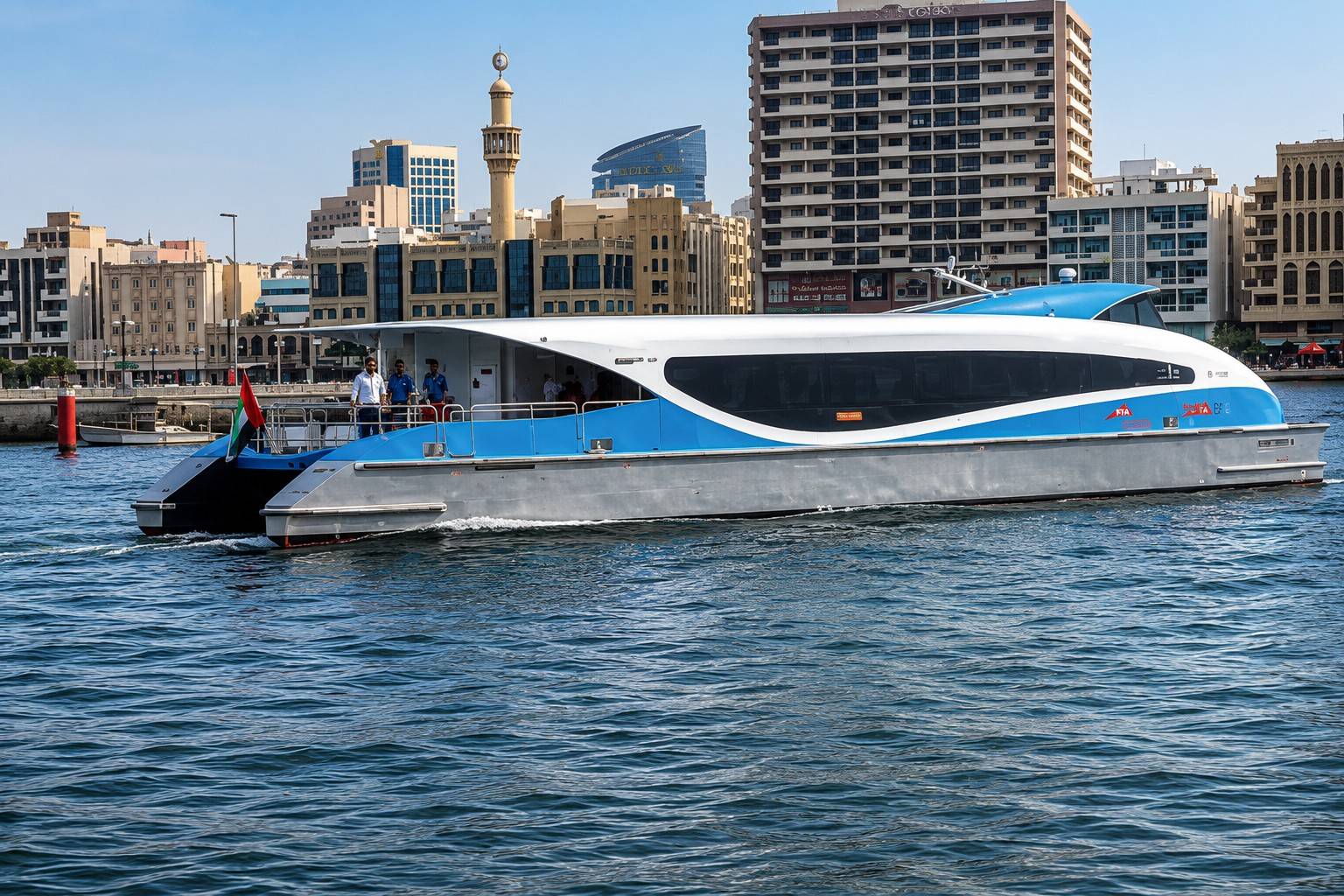
Dubai's marine transport services offer a pleasant way to travel while enjoying views of the city.
Options include:
- Traditional abras
- Dubai Ferry
- Water Taxi
- Selected marine routes
Traditional abras are especially popular for crossing Dubai Creek between Deira and Bur Dubai. Routes, fares, and payment methods vary, so check current information before travelling.
Taxis and Ride-Hailing
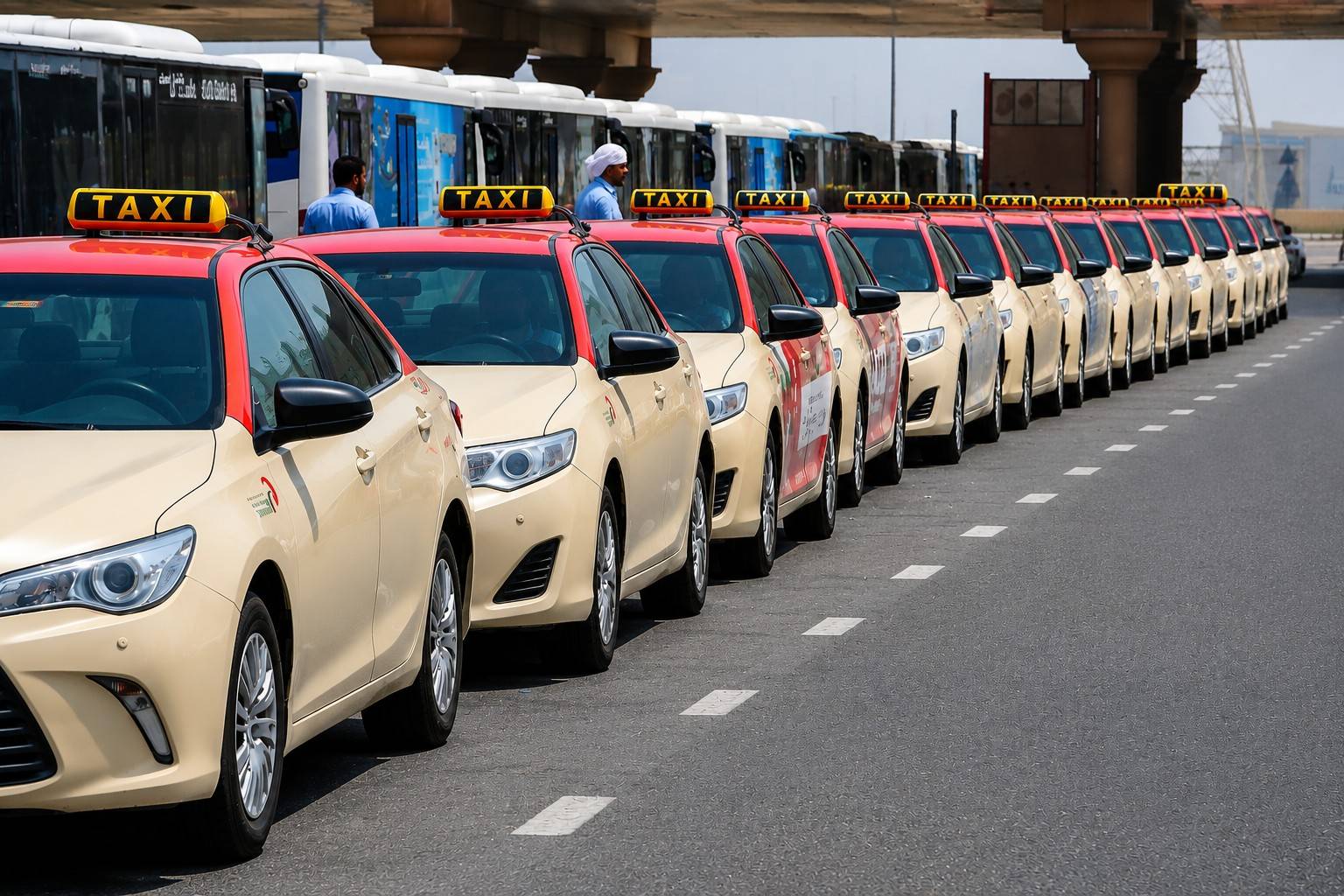
Official taxis are available throughout the UAE and use meters to calculate fares. They are useful when travelling late at night, carrying luggage, or visiting places away from public transport routes.
Cash is widely accepted, while card and digital payment options may vary by emirate and operator. Careem and other ride-hailing services are also available in major cities.
Public Transport in Abu Dhabi
Abu Dhabi does not currently have an operational Metro system, but its public buses connect many important areas.
Buses provide access to or connections near the following:
- Zayed International Airport
- Sheikh Zayed Grand Mosque
- The Corniche
- Louvre Abu Dhabi
- Yas Island
- Saadiyat Island
Passengers generally use a Hafilat Card and must tap it when boarding and leaving the bus. The Darbi app can be used to check routes and plan journeys.
Transport in Other Emirates
Sharjah operates local and intercity buses, although taxis may still be needed for some attractions.
Ajman has local buses, intercity services, and taxis for short journeys.
Ras Al Khaimah operates city and intercity buses, but taxis or organised transfers may be better for mountain and outdoor attractions.
Public transport is more limited in Fujairah and Umm Al Quwain. Taxis are often the most practical option, especially for beaches and attractions outside town centres.
Intercity buses connect many major cities, but direct services are not available on every route. Some journeys may require transfers.
Using a nol Card in Dubai
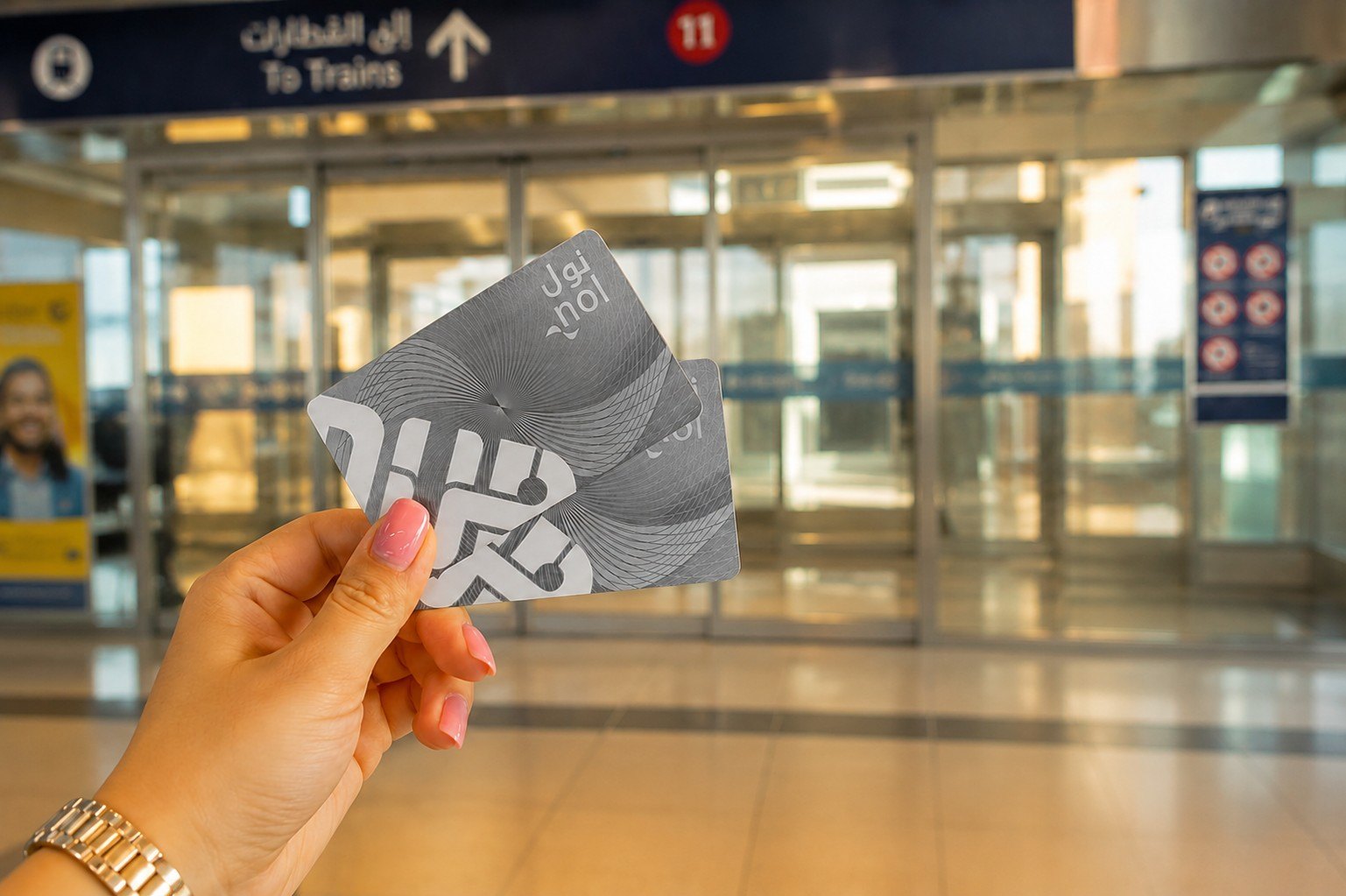
A nol Card is used for most Dubai public transport services, including:
- Dubai Metro
- Public buses
- Dubai Tram
- Dubai Ferry
- Water Taxi
- Selected abra services
Cards can be purchased and topped up at Metro stations, ticket machines, and authorised sales points. Tap the card when entering and leaving the Metro, bus, or Tram.
A Dubai nol Card cannot be used instead of a Hafilat Card for regular Abu Dhabi bus journeys.
Helpful Apps
Useful apps include:
- S'hail: Journey planning in Dubai.
- nol Pay: Manage supported nol Card services.
- Darbi: Route planning and transport information in Abu Dhabi.
- Careem: Book taxis and ride-hailing services.
App features and services may change, so check the latest version before travelling.
Practical Tips for Tourists
A few simple tips can make using public transport even easier:
- Avoid rush hour for a quieter journey.
- Keep your travel card topped up.
- Check the last service before travelling at night.
- Allow extra time for transfers.
- Follow priority seating rules.
- Keep water bottles closed onboard.
- Check weekend and public holiday schedules.
Content Disclaimer: Public transport routes, fares, operating hours, payment methods, and transport card policies may change without notice. Always check the latest information with the relevant UAE transport authority before travelling.